Melbourne to Canberra Road Trip | Motorhome Travel Guide
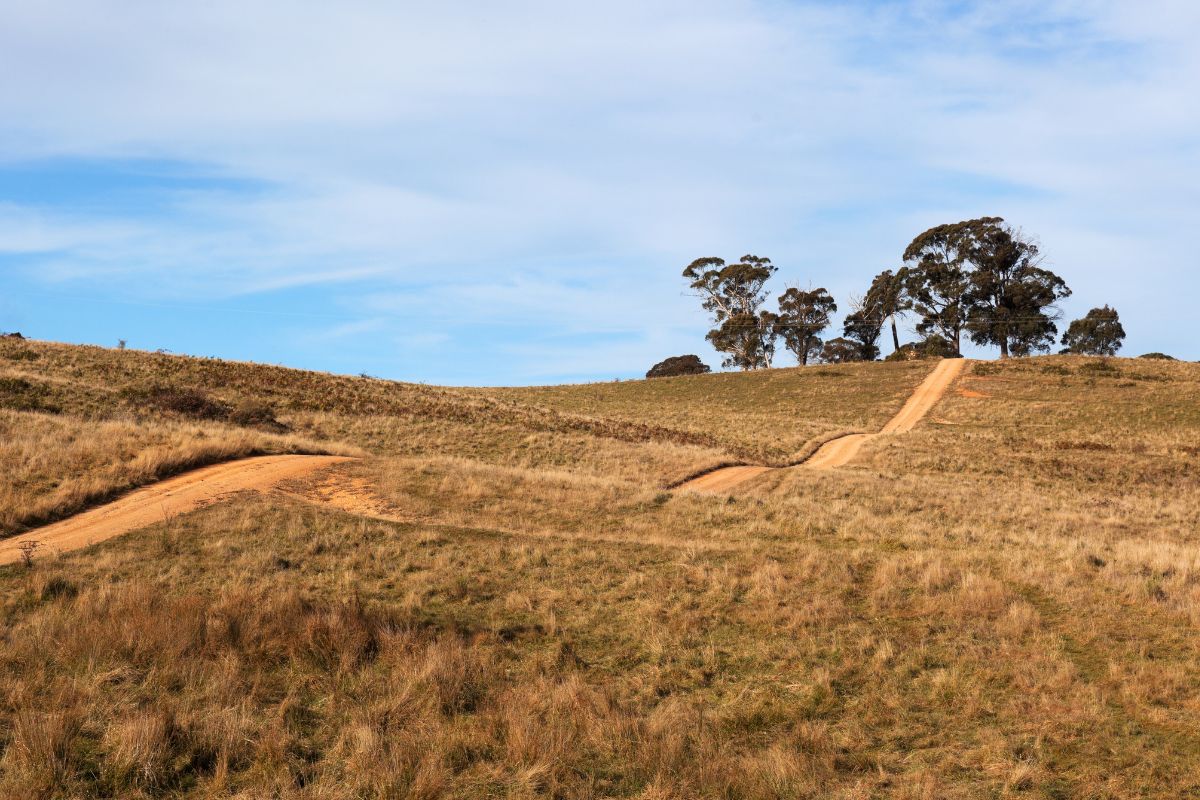 The Melbourne-to-Canberra drive is often underestimated as a “need to get there” kind of trip, focusing on the destination that can overshadow the journey itself. Rather than racing between major icons, this cross-border road trip rewards travellers who want to experience regional produce, wide open landscapes, and the option to design each day – from early starts to quiet nights under the stars.
Travelling in a motorhome allows you to move comfortably between Victoria and the ACT, with the flexibility to detour, pause, or stay an extra night if a town pulls you in. With manageable drive distances, sealed roads, and a steady run of welcoming historic towns, even if you’re returning via the Canberra to Melbourne drive, this route offers a rewarding way to experience Australia’s inland regions without feeling rushed.
Melbourne to Canberra Drive: Distance & Drive Time
Driving from Melbourne to Canberra covers approximately 650 kilometres, with an average direct drive time of 7 to 8 hours. Most motorhome travellers choose to spread the journey over 4 to 6 days, allowing time to explore along the way rather than just covering ground.
The most common route travels via:
- Albury–Wodonga, which is a natural midpoint with excellent facilities.
- The Riverina, known for its pastoral landscapes and easy driving.
- The Southern Tablelands, where rolling hills replace meandering plains.
All major roads along this route are sealed and well-maintained, making the Melbourne-to-Canberra road trip particularly well-suited to motorhomes and campervans.
Why This Route Makes a Great Driving Holiday
This drive strikes a great tourist balance: it’s long enough to feel like a genuine road trip, yet compact enough to avoid fatigue.
The route also lends itself to fun outdoor pursuits. Choose to cycle along riverside paths, fish in quiet stretches of the Murray or browse local markets. You’ll also pass several classic country pubs and rustic main streets along the way.
Key benefits include:
- Shorter drive days, so you can start your day more slowly and finish the drive earlier.
- Regional centres spaced regularly for fuel, supplies, and dump points — you’re rarely wondering how far the next stop is.
- A mix of overnight options, from basic riverside stays to fully serviced motorhome parks, without needing to lock anything in too far ahead.
- The route avoids long stretches of remote driving, which makes it especially approachable for travellers newer to motorhome touring.
It’s also a popular choice for anyone transitioning from caravan travel, with road conditions and services that comfortably support self-contained touring.
Driving From Melbourne to Canberra: When to Visit
The most comfortable seasons for RV touring are spring (September to November) and autumn (March to May). During these months, temperatures are mild, regional landscapes are at their most vibrant, and driving conditions are generally stable.
- Summer: Can be warm inland, but manageable with early starts and shaded rest stops.
- Winter: Crisp and quiet, especially through alpine-adjacent regions. Some mornings can be cold, but roads remain accessible.
Motorhome travel makes seasonal flexibility easier because you can adjust drive times, stop early, or linger longer based on weather and comfort.
Tips for RV Travellers
Before any long-distance drive, you should check your vehicle servicing is up to date, have ticked off the packing list, ensure that the water, power and gas are operational, and consider the following:
- Fuel and supplies: Major towns appear frequently, but topping up regularly helps maintain a stress-free journey.
- Connectivity: Coverage is good near towns, with occasional dropouts farther out, so download maps ahead of time.
- Wildlife awareness: Keep a lookout on quieter roads. Animals may cross unexpectedly or linger near the roadway, creating hazards for drivers who may have to swerve or brake abruptly.
- Rest stops: Australia’s regional highways are well serviced with rest areas, offering practical ways to break up drive days.
Melbourne to Canberra Road Trip Itinerary
This flexible motorhome-friendly itinerary is designed for travellers who want to enjoy the journey as much as the destination.
While the Melbourne to Canberra drive can technically be completed in a single day, most motorhome travellers find the trip far more enjoyable when spread across several days.
Allowing 4 to 6 days can enhance the overall experience by offering comfortable drive lengths, more time to explore regional areas, and the space to rest, not just travel.
Day 1–2: Melbourne to Albury–Wodonga
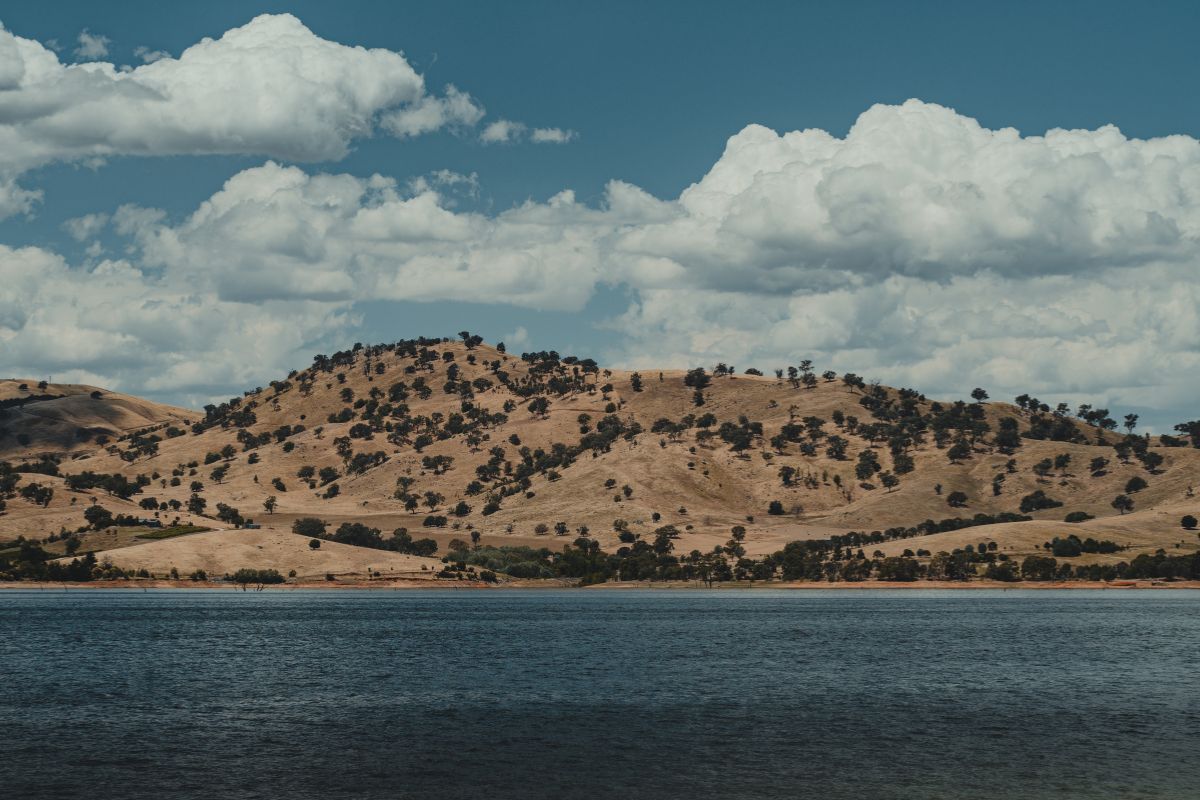
Leaving Melbourne, the drive north passes through regional Victoria. Towns such as Seymour and Euroa, both within the first few hours north of Melbourne, make seamless early stops for a coffee break before settling into the longer drive.
Once you reach the twin cities of Albury–Wodonga, set along the Murray River, you’ll find plenty of motorhome-friendly facilities.
Highlights
- Murray River foreshore walks and shared paths stretching along the Albury side of the river, with flat terrain and shaded sections ideal for leisurely strolls to stretch your legs.
- Albury and Wodonga cafe precincts, where regional produce features strongly on menus and takeaway options are readily available near the riverfront.
- Convenient access to fuel, supermarkets, and supplies close to central areas, allowing you to restock without having to navigate busy town traffic.
RV Tip:
Choose a riverside or edge-of-town stay to enjoy a quieter overnight stop while staying close to services.
Day 3: Albury–Wodonga to the Riverina
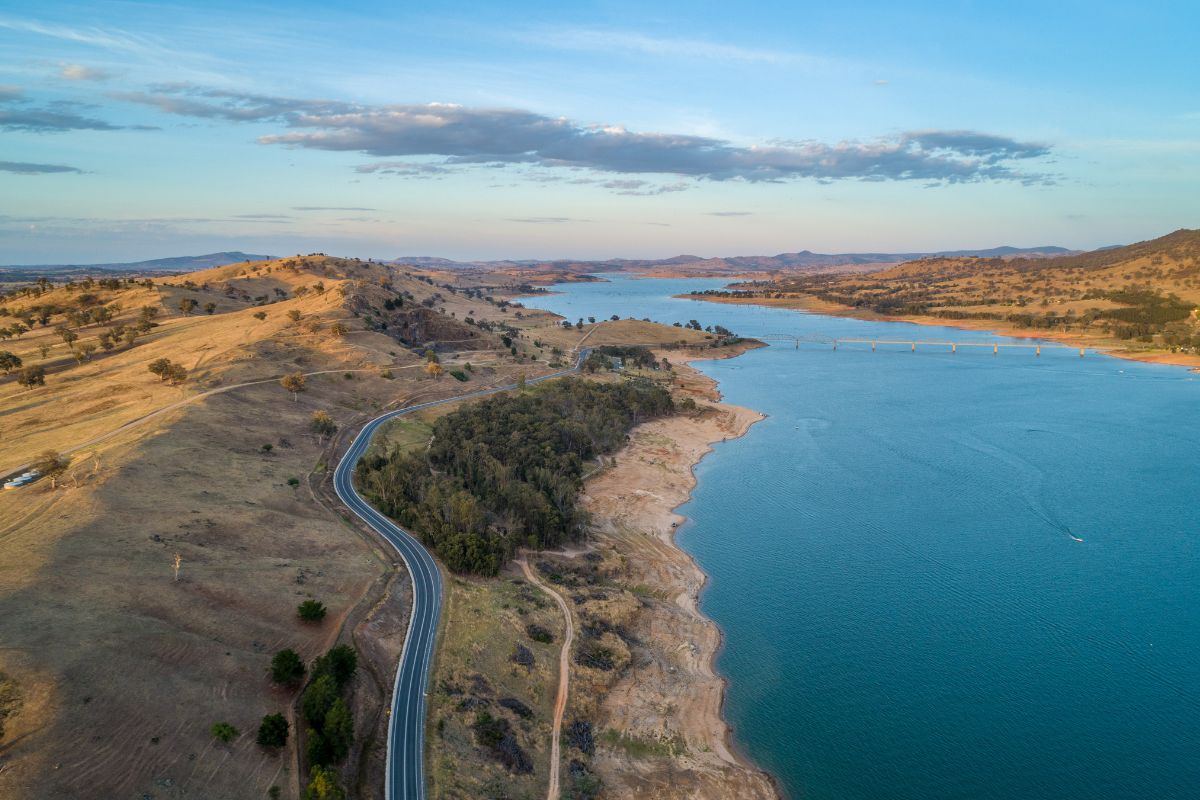
From Albury–Wodonga, the route opens into the Riverina region, known for its long, straight roads and expansive agricultural landscapes. This stretch of the drive from Melbourne to Canberra is well-suited to slower travel, encouraging you to ease off the accelerator and enjoy some Riverina attractions.
Highlights
- Riverina towns such as Howlong, Corowa, and Lockhart, with accessible parking and tree-lined main streets, offer boating, fishing, and other outdoor pursuits, along with local food, wine and colonial sites.
- Farm-gate stalls and local bakeries appear frequently along Riverina back roads, so you can stock up on fresh produce, regional specialties, and basic provisions for the days ahead.
- Wide, low-traffic roads suit unrushed motorhome travel, allowing you to settle into a steady driving rhythm and enjoy the panoramic landscapes without pressure.
Day 4: Riverina to the Southern Tablelands
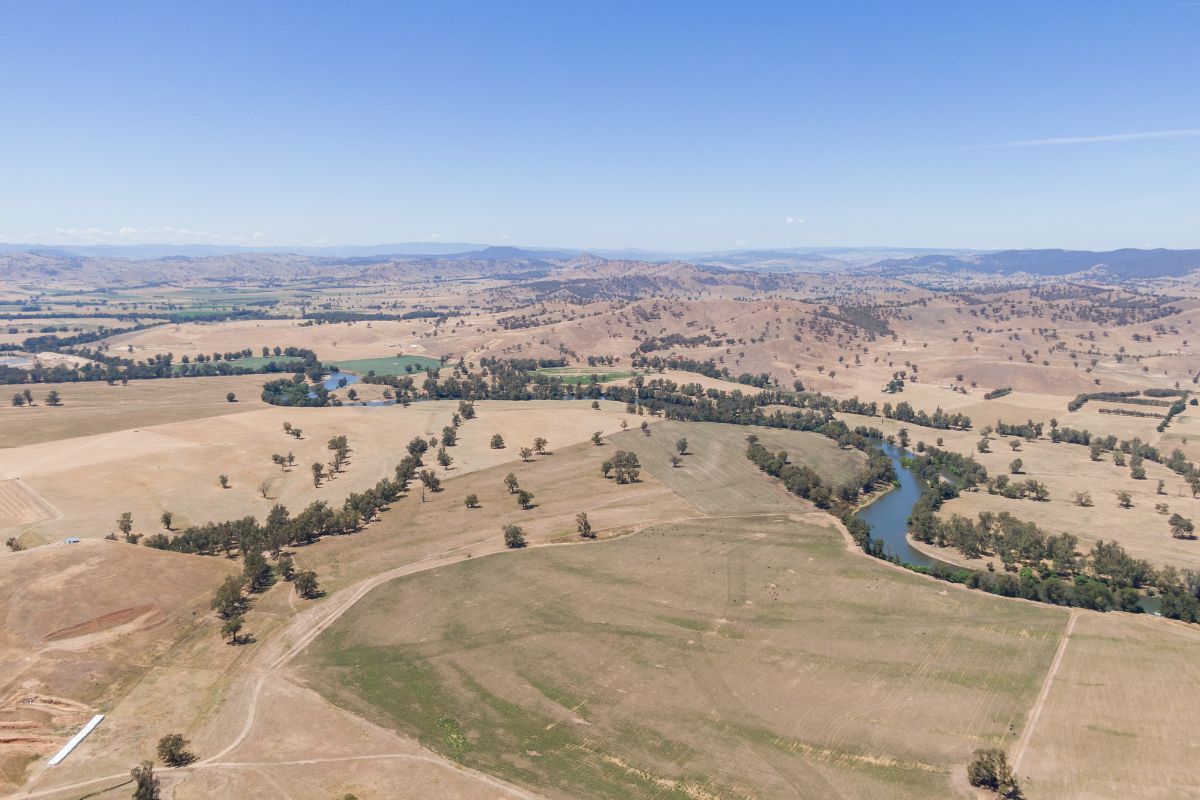
Continuing north, the terrain gradually shifts as you climb toward the Southern Tablelands. Cooler air, rolling hills, and bucolic towns define this section of the road trip from Canberra to Melbourne.
Near Gundagai, the famous Dog on the Tucker Box remains one of Australia’s best-known roadside landmarks – a quick, unmistakably Aussie rest stop that’s worth a pause if you’ve never seen it in person.
Highlights
- Heritage towns such as Gundagai and Yass feature well-preserved streetscapes, Federation buildings, and classic country hospitality, making them ideal stops for a low-effort wander or longer pause.
- Local galleries, antique stores, and regional museums are scattered through the area, perfect for short stops and unhurried exploration between drive days.
- Scenic back roads and gentle elevation changes add variety to the journey, breaking up long straight stretches of flat Riverina roads and helping keep drivers alert as the landscape shifts.
RV Tip:
This is an excellent area to plan a rest day, allowing time to explore nearby towns without relocating camp.
Day 5–6: Southern Tablelands to Canberra
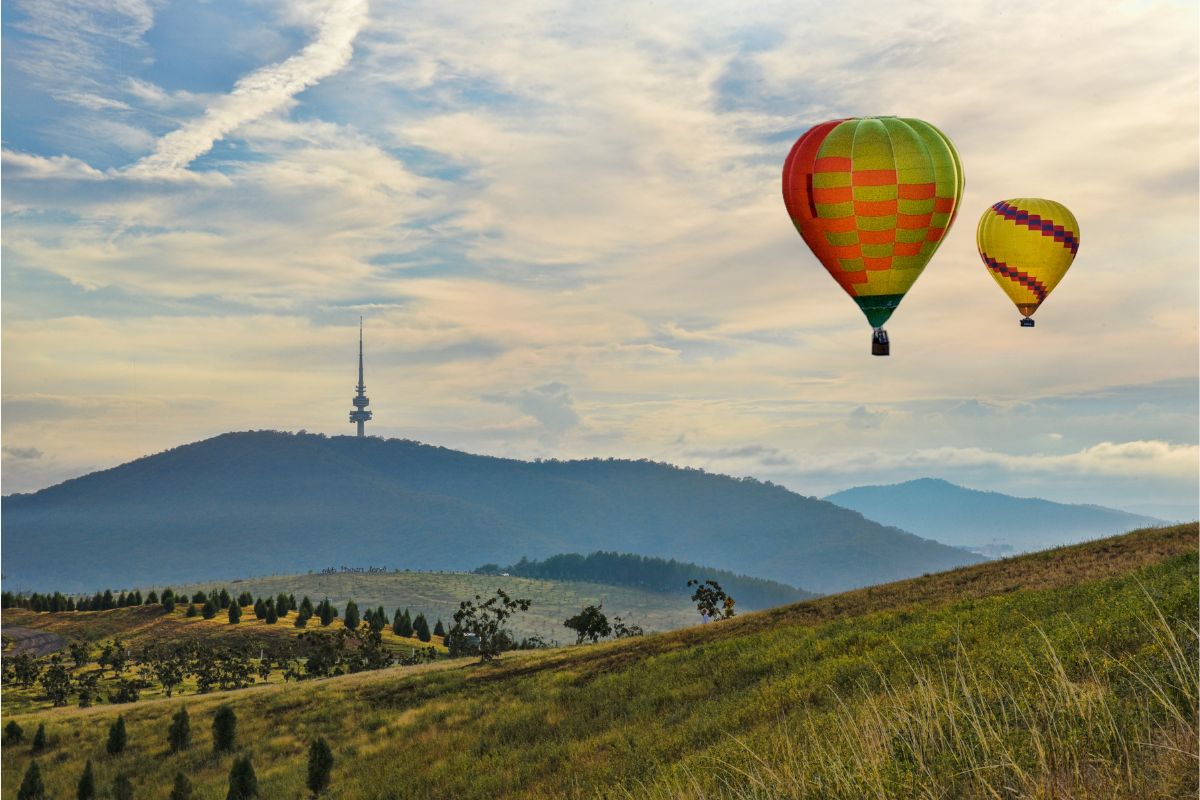
The final leg into Canberra is an enjoyable drive, with wide roads and clear signage for uncomplicated arrivals, even in a larger motorhome.
Highlights
- Canberra’s national museums and galleries, many clustered close to the city centre, offer easy access to cultural landmarks such as the National Gallery of Australia (NGA), the National Museum (NMA), and Parliament House precincts.
- Lake Burley Griffin forms the heart of the city, with walking and cycling paths that loop the waterfront and link major attractions, picnic areas, and waterside cafes.
- Nature reserves and panoramic lookouts sit just beyond the city limits, providing quick escapes into bushland where short walks and elevated views contrast with Canberra’s urban centre.
RV Tip:
Find accommodation with straightforward access routes. Canberra’s layout makes moving around simple once you’re settled.
Canberra to Melbourne: The Return Trip
If you’re returning south on the Canberra to Melbourne drive, consider altering your route for a fresh experience. Detours via Jugiong, Junee, Temora, or Coolamon introduce a different side of the Riverina, from retired former railway hubs and aviation history to heritage civic buildings and canola-growing districts.
For quirky stops along the way, the well-known Junee Licorice & Chocolate Factory makes a memorable visit. Closer to the Hume Highway, the Holbrook Submarine Museum is a family-friendly landmark for a quick stretch-of-the-legs without straying far from the main route.
These smaller regional roads off the Hume Highway pass through main country streets, with turn-of-the-century pubs and local producers offering spots to sample artisan cheeses. This variation makes the return journey feel less like retracing your steps and more like a continuation of the trip.
Travel Melbourne to Canberra in Relaxed Style With a Winnebago Motorhome
The Melbourne to Canberra road trip is defined by understated rewards, delivering endless landscapes, charming towns, and the freedom to move at your own pace. It suits travellers who value comfort, flexibility, and thoughtful travel.
Every Winnebago motorhome is designed at our purpose-built production site – one of the Southern Hemisphere’s most extensive manufacturing facilities – using advanced 3D design, expert engineering, and premium materials sourced from trusted global suppliers. With 2-berth, 4-berth, and 6-berth configurations available, there’s a Winnebago to suit solo travellers, couples, and families alike.
Whether you’re upgrading from a camper trailer or planning your next extended journey, if you want to transform the drive into a luxurious road trip, contact your local Winnebago dealer for more details.