Darwin To Broome Road Trip
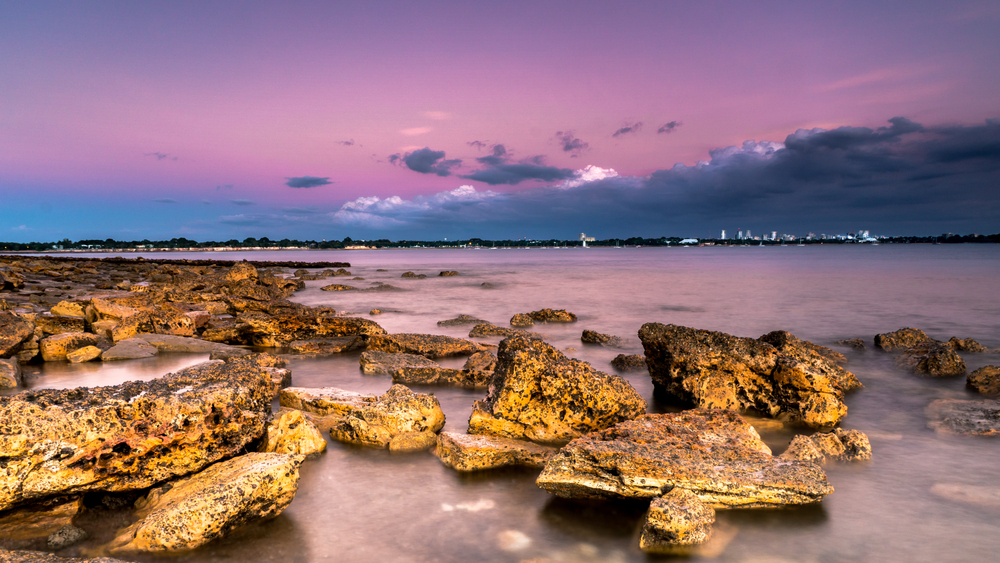
Navigating the Darwin to Broome road trip in a motorhome isn’t about ticking off the 1,900 kilometres; it’s about planning how to safely move through vast uninhabited distances while properly enjoying the entire experience. This is a long, exposed stretch that motorhome owners need to give the respect it deserves. You’ll tackle roughly 1,000 kilometres just from the Top End to the Kimberley coast alone, with heat, road trains, and arid, wide open country that transforms into some of Australia’s most magical scenery.
RV travel means you’re not chasing rigid check-in times or pushing through fatigue to reach the next town. With the freedom to give yourself the space this kind of landscape demands, most travellers allow 10 to 14 days for the Darwin to Broome drive. Not because it’s slow, but because it’s worth breaking up properly.
Before You Go: Remote Drive Checklist For Motorhomes
Driving from Darwin to Broome requires careful preparation, so make your planning part of the adventure.
This route works particularly well in a motorhome because you’re travelling self-contained across long, isolated distances, without relying on limited accommodation or fixed stopovers. RV travel gives you comfort and control, and the further west you go, the more you’ll appreciate the flexibility.
Before you leave, a few practical decisions make the entire drive easier:
Plan fuel stops: Distances between stops can lengthen quickly in outlying regions. Don’t only wait until you need to and fill up whenever you can.
Stay safe and hydrate: Heat, delays, and long driving days can all increase water consumption. Make sure you carry more water than you think you’ll need, and for extra safety, carry an Emergency Kit.
Check road conditions daily: This isn’t a set-and-forget itinerary. Weather, roadworks, and closures can derail plans fast.
Plan potential next stops: Not every day will go to schedule. Having a fallback stop removes some of the driving pressure.
Avoid driving at dusk: Wildlife is one of the biggest risks on this route. Parking up earlier makes a noticeable difference to your driving safety.
Use apps, but plan for limited reception: WikiCamps and CamperMate are helpful, but coverage can drop out. Screenshot key stops ahead of time. Join Winnebago Facebook groups to see if anyone has tips on highlights or warnings about the trip.
Travelling with kids: Check out our guide to surviving long-haul drives with children to ensure everyone stays sane during the trip.
Build in slower days: This isn’t a route to rush. The more space you give yourself, the better the drive will feel.
Darwin to Broome Drive: Distance, Timing & Conditions
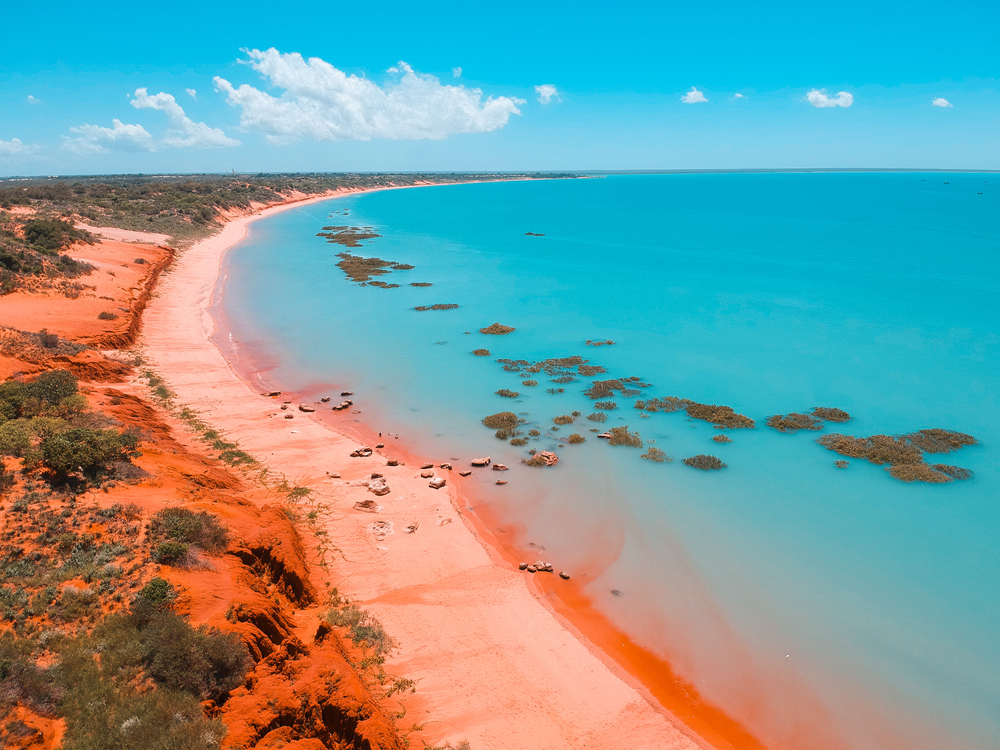
Desert Meets The Sea, Broome
The driving distance from Darwin to Broome covers roughly 1,900 kilometres and takes around 18-20 hours on paper, but motorhome travel offers a different way to experience it.
Most travellers break the journey into:
200-400km driving days
4-6 days on the road
Additional time to stop, rest, and explore along the way
What shapes this trip isn’t distance – it’s conditions.
Heat builds quickly, road trains move fast, and long, exposed stretches can be more tiring than expected. The rhythm that works best is simple: start early, finish early, and avoid pushing the final hour.
Best Time To Travel
The dry season (May to September) is the most reliable window for a Darwin to Broome road trip, with open roads, manageable temperatures, and full access to key stops and national parks.
During the wet season (November to April), heavy rain, flooding, and road closures can make sections of the route unpredictable or inaccessible.
Darwin to Broome Road Trip Itinerary (Motorhome-Friendly)
Once you’ve factored in the big-picture scale of the drive, you can focus on the most rewarding itinerary. This isn’t about covering ground quickly. It’s built around a steady, considered, and breathable pace to take it all in.
Days 1-2: Darwin to Katherine
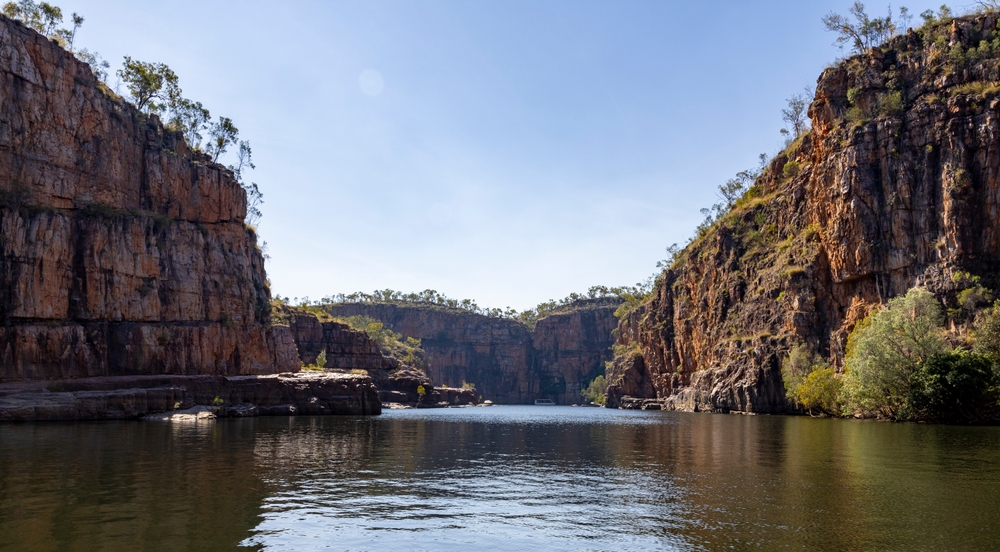
Katherine Gorge
The first stretch of the Darwin to Broome drive is a straightforward run south out of Darwin before turning west toward Katherine, the Territory’s fourth largest town and a central hub known as the Crossroads of the North.
The landscape changes quickly. During the 317-kilometre drive, you’ll move from coastal humidity into the wider Top End, passing wetlands, monsoon forest, and expanses of savanna woodland, with Litchfield National Park sitting just off the route.
Katherine gives you:
Nitmiluk National Park (Katherine Gorge) for walks and river views throughout the 13-gorge system.
A chance to reset by soaking in the crystal-clear thermal pools at Katherine Hot Springs in water ranging from 25 to 34 degrees Celsius (stairs or easy wheelchair access via secure railing).
Several well-equipped caravan parks with powered motorhome sites and some on-site dining for an overnight stay.
Nitmiluk National Park, about 30 minutes from town, cuts through ancient sandstone. Short walks, like Baruwei Lookout, offer panoramic views over the sandstone cliffs and waterways, while canoeing or boat cruises offer a closer sense of the gorge system.
This is the place to stock up properly before the more remote areas ahead. Once you leave Katherine, services thin out, so planning is essential.
Day 3: Katherine to Victoria River Region
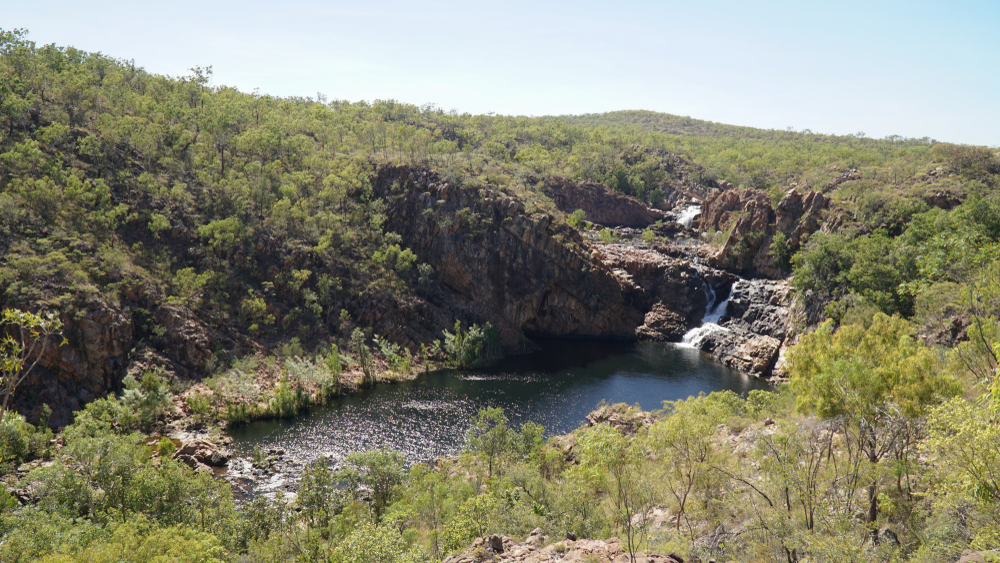
Waterfall, Gregory National Park
From Katherine, the drive heads west for around 194 kilometres along the Victoria Highway, where the landscape opens out, and the road quietens.
The edges of Judbarra (Gregory National Park) give way to more rugged, exposed terrain with a noticeably ancient feel.
Along this section, a few features begin to define the drive:
Escarpments and river crossings: Savanna woodland extends towards rising escarpments and the Victoria River cutting through wide, sparsely populated country.
Judbarra’s outer reaches: for anyone with the right setup, parts of the park offer 4WD tracks, including the challenging 200km Broadarrow Track and the scenic Humbert Track.
Roadhouses as anchor points: stops become fewer, so make time to park at Timber Creek and Victoria River for fuel, food, and a proper break.
The Victoria River Roadhouse, in particular, is one of the more famous stops along this route, known for friendly, relaxed service and good food. Its location near escarpments and walking trails leading to Aboriginal rock art makes it a great place to stretch the legs.
RV Tip: Aim to arrive before dusk as wildlife and long sightlines make late driving riskier, so it’s best not to push it.
Days 4-5: Victoria River to Kununurra
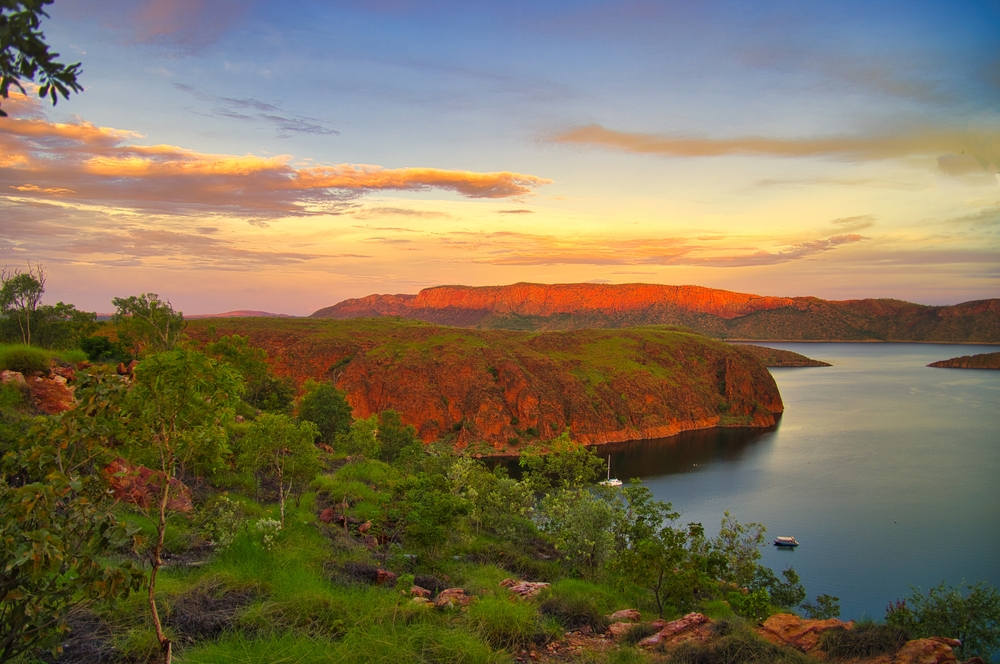
Sunset Views, Lake Argyle
Crossing into Western Australia, the drive from the Victoria River region to Kununurra marks a clear shift into Kimberley country. After several days of long driving, Kununurra is one of the easiest places to pause – well set up for motorhome travellers, with reliable resupply, multiple caravan parks, and enough space to take a proper rest day.
The highway tracks west through increasingly rugged terrain – escarpments rising higher, boab trees appearing, and the Victoria River weaving through the landscape. The remote 320 to 350 kilometres feels quieter on the roads.
There’s a natural rhythm to this section:
Timber Creek, an important midpoint: fuel, a chance to reset, and one of the better-known access points to the Victoria River. Crocodile country, well known for barramundi fishing, wide river flats, and wildlife sightings.
Keep River National Park near the NT/WA border: striped sandstone formations and rock art sites subtly introduce the East Kimberley’s geographical language.
Lake Argyle and the Ord River system: a vast, engineered inland sea that reshaped the region, where still water, distant ranges, and quiet scale replace the arid highway feel.
Mirima National Park, minutes from town: deep-orange, 350-million-year-old sandstone formations rising sharply from the ground, with walking tracks that feel far bigger than their footprint.
Days 6-7: Kununurra to Halls Creek
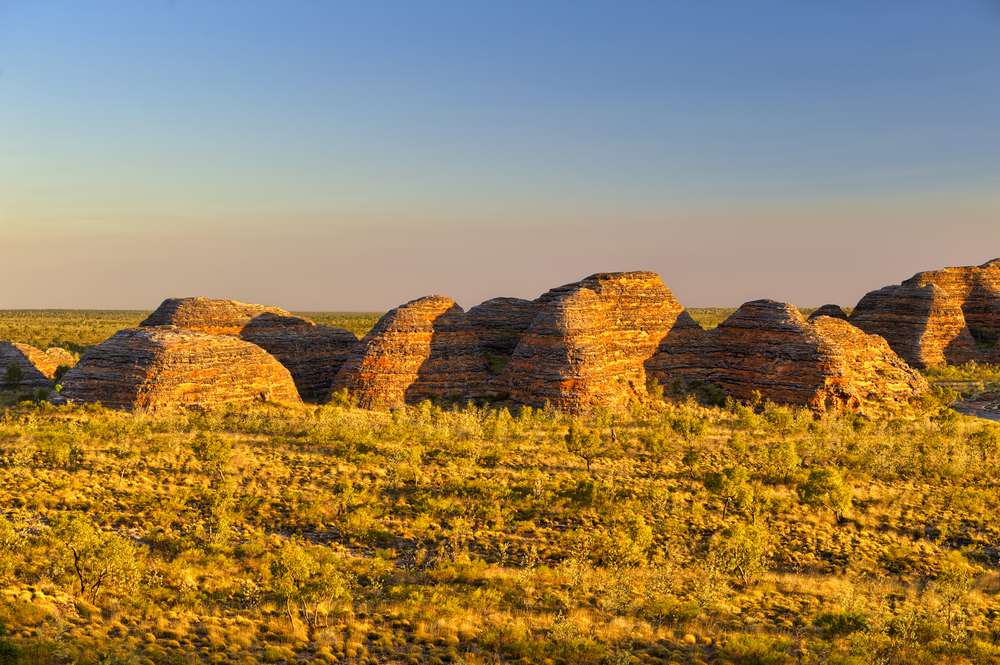
Bungle Bungles, Purnululu National Park
This 360-kilometre length is where the Kimberley gets serious, as the drive shifts into endurance mode.
Halls Creek isn’t a destination – it’s a reset. Fuel, pause and stretch, then keep moving.
Once the site of WA’s first gold rush in 1885, it carries a strong mining history and Aboriginal cultural significance. If you are planning a detour, this is your access point to Purnululu National Park (the World Heritage-listed Bungle Bungles), as well as to places like Wolfe Creek Crater and the China Wall – a 15-kilometre natural quartz vein – but you’ll need to check conditions.
Days 8-9: Halls Creek to Fitzroy Crossing
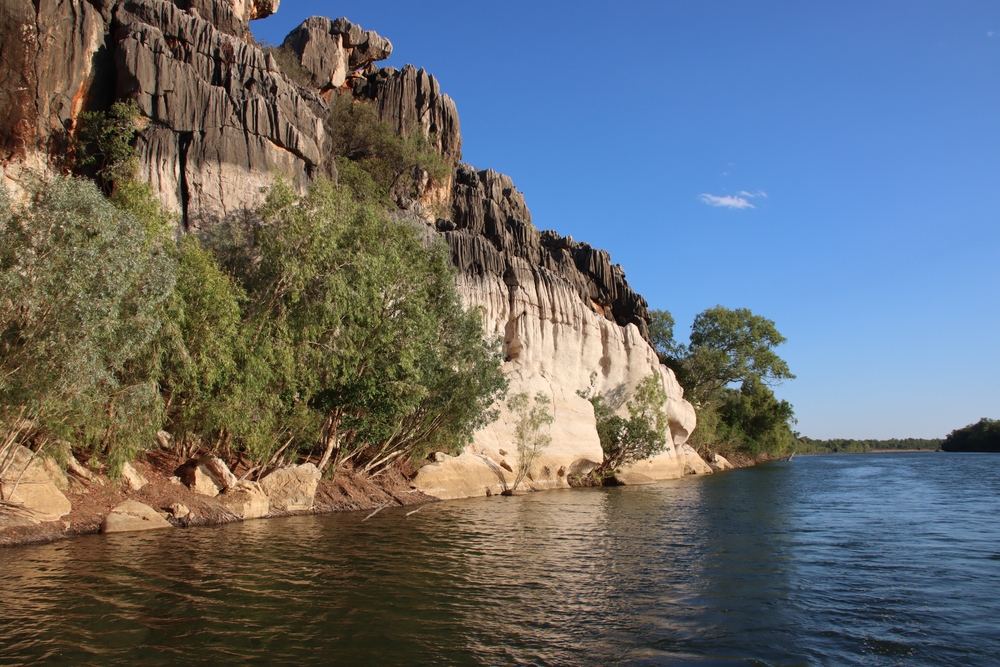
Fitzroy River
Another long, quiet road on the Darwin to Broome road trip is this 300-kilometre section of the Great Northern Highway.
By now, you’re in the rhythm of it: early starts, watching fuel, and staying ahead of the heat.
It’s also your access point to Danggu (Geikie Gorge), where the Fitzroy River cuts through a 350-million-year-old limestone reef, with sheer gorge walls, freshwater crocodiles, and strong cultural significance to the Bunuba people.
It’s not flashy – but it’s all you need at this point in the drive.
Days 10–11: Fitzroy Crossing to Broome
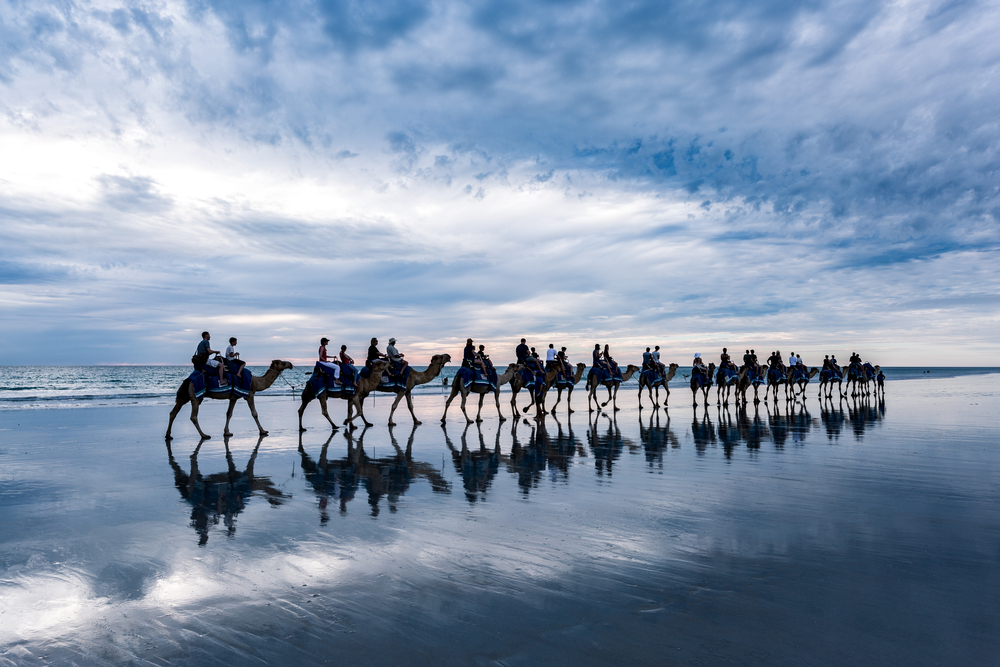
Camel Rides, Cable Beach
On the final leg, you’ll start to feel the shift toward the coast – the air and landscape change, and the road begins to feel less remote.
After days of heat and distance, arriving in Broome feels like a reward:
Cable Beach: for a 22km expanse of white sand, turquoise water and stunning Indian Ocean sunsets. Famous for iconic camel rides as the sun goes down, 4WD beach driving and high-tide warm waters.
Supplies galore: everything you haven’t reliably seen in days, including major supermarkets, quality cafés, mechanics, tyre services, and laundries.
Well-appointed caravan parks: with powered sites, resort pools, shade, camp kitchens, and the chance to stay put for a night or two to properly recover from the big drives.
Most travellers stay a few extra days here because it’s so worth it.
Broome to Darwin Road Trip: The Return
If you’re doing the Broome to Darwin road trip on the way back, the same structure works, but the experience often feels different.
The route isn’t as surreal and unfamiliar.
On the Broome to Darwin drive back, many travellers will choose to spend longer in Kununurra or Katherine. The advantage of motorhome driving is that some may add a detour and lengthen or shorten their self-drive itinerary based on how they’re feeling.
Explore More In A Winnebago
Planning the Darwin to Broome drive starts with the right setup. Explore the Winnebago Australia motorhome range to see what’s built for remote, long-distance travel. Contact your local dealer to walk you through the finer details of how to turn this journey from a demanding drive into a well-paced, comfortable journey.